
Key takeaway: In Australia and New Zealand, treatment for Feline Herpesvirus (FHV-1) is prescribed and guided by your veterinarian, and the antiviral option many vets choose is famciclovir. MolnuFIP offers a famciclovir product called HerpX, which you can ask about through your veterinary team. FHV-1 stays in the body for life, so the goal of care is to clear flare-ups fast and get your cat back to eating, breathing easily, and playing.
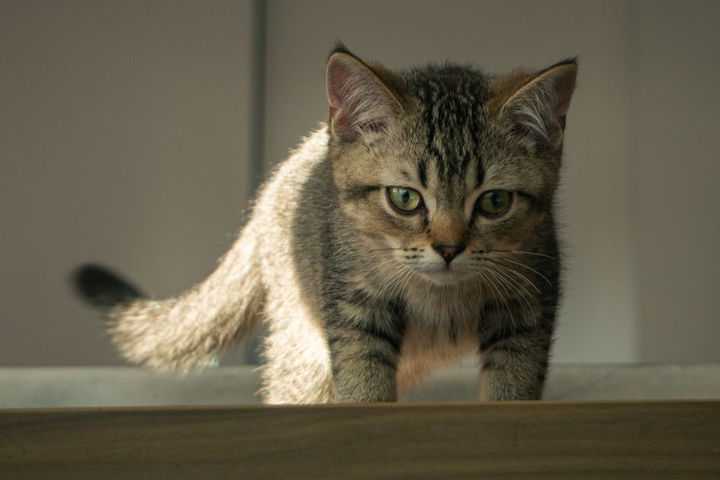
A cat resting comfortably at home.
What is Feline Herpesvirus (FHV-1) and why does it keep coming back?
Feline Herpesvirus (FHV-1), also called feline viral rhinotracheitis or "cat flu," is one of the most common causes of upper respiratory infection in cats. Once a cat is infected, the virus stays in the body for life, which is why flare-ups can return again and again.
FHV-1 is very common, and most cats meet it early in life. After the first illness settles, the virus goes quiet in the body and can reactivate later, often when your cat is stressed.
The important thing for you as a Pawrent to understand is this: care for feline herpesvirus is about managing and reducing flare-ups, not about removing the virus completely. That is a realistic, honest goal, and it is one that antiviral support can help you reach.
What are the signs of a Feline Herpesvirus (FHV-1) flare-up?
Feline Herpesvirus (FHV-1) flare-ups usually show up as sneezing, runny eyes and nose, squinting, and red, inflamed eyes. Some cats also develop corneal ulcers or mouth ulcers during a bad episode.
Watch for these common signs:
- Sneezing, sometimes in long bouts
- Nasal discharge and a blocked, snuffly nose
- Eye discharge, squinting, or conjunctivitis
- Corneal ulcers (sores on the surface of the eye)
- Occasional mouth ulcers
- A dip in appetite because a stuffy nose makes food hard to smell
If your cat is squinting, has a cloudy or painful eye, or stops eating, that is a reason to see your veterinarian promptly. Eye problems in particular can get worse quickly without care.
Where can I buy Feline Herpesvirus (FHV-1) treatment in Australia?
In Australia and New Zealand, you buy Feline Herpesvirus (FHV-1) treatment through your veterinarian, who examines your cat, confirms the problem, and prescribes the right antiviral and supportive care. Famciclovir is the antiviral a veterinarian commonly prescribes for FHV-1, and MolnuFIP supplies a famciclovir product called HerpX.
The safest path is simple. Start with your own veterinary clinic, because a vet can look at your cat's eyes, breathing, and overall condition and match the treatment to what they actually find.
MolnuFIP's role is to make a clear famciclovir option available for feline herpesvirus. Your veterinarian guides whether HerpX is right for your cat, and they decide dosing and monitoring. If you want a wider look at the antiviral choices for this virus, our guide on the best antiviral to buy for feline herpesvirus in cats walks through how famciclovir fits in.
What is HerpX and how does it help with Feline Herpesvirus (FHV-1)?
HerpX is MolnuFIP's famciclovir product for Feline Herpesvirus (FHV-1). Famciclovir is an antiviral that a veterinarian may prescribe to help bring flare-ups under control and get your cat feeling better.
HerpX contains famciclovir only. It does not contain EIDD-1931, molnupiravir, or GS-441524, which are compounds used in other areas of feline care, not in herpesvirus treatment.
Because FHV-1 is a lifelong infection, antiviral support like famciclovir is aimed at the flare-up in front of you: easing the sneezing, the sore eyes, and the discomfort so your cat can eat, rest, and recover. Your veterinarian should decide the dose, the schedule, and how long to treat, based on your individual cat.
How is the dose decided?
The dose and schedule for HerpX are set by your veterinarian. There is no one-size-fits-all number, because the right plan depends on your cat's weight, the severity of the flare-up, and how your cat responds. Always follow the plan your vet gives you, and never adjust an antiviral dose on your own.
How is Feline Herpesvirus (FHV-1) managed?
FHV-1 stays in the body for life, and antiviral care keeps flare-ups under control. Famciclovir is the antiviral option many vets reach for to manage the virus. A veterinarian may add an antibiotic if your cat develops a secondary bacterial infection on top of the viral flare-up.
Think of it as two different jobs. Antiviral care helps keep the herpesvirus flare-up under control, while an antibiotic, if your vet decides one is needed, handles a separate bacterial problem such as an infected, goopy eye or chest.
This is also where feline herpesvirus differs from Feline Calicivirus (FCV), another common cause of mouth and respiratory signs. The two are different viruses treated with different products, so a correct diagnosis matters. If your cat's main problem is mouth ulcers and drooling, our article on whether mouth ulcers and drooling point to calicivirus can help you tell the picture apart before you talk with your vet.
How can I reduce Feline Herpesvirus (FHV-1) flare-ups at home?
The single most powerful thing you can do to reduce Feline Herpesvirus (FHV-1) flare-ups is lower your cat's stress, because stress is the most common trigger for reactivation. Alongside stress reduction, good home care and supportive comfort help your cat ride out and bounce back from each episode.
Here are practical steps that help:
- Keep routines steady. Feed, play, and rest at predictable times, since cats find comfort in predictability.
- Reduce big changes. New pets, moving house, boarding, and crowding can all set off a flare-up, so ease transitions where you can.
- Gently clean the eyes and nose. Wipe away discharge with a soft, damp cloth to keep your cat comfortable and able to smell food.
- Make food tempting. Warm, aromatic wet food helps a snuffly cat keep eating during a flare.
- Use steam. Sitting with your cat in a steamy bathroom can ease a blocked nose.
- Give quiet, warm resting spots. Rest supports recovery.
Supportive care at home works best hand in hand with the antiviral plan your veterinarian prescribes. Home comfort eases the symptoms, and antiviral care helps shorten and soften the flare-up itself.
When should I take my cat to the vet for Feline Herpesvirus (FHV-1)?
Take your cat to the veterinarian for Feline Herpesvirus (FHV-1) if the eyes are painful, cloudy, or ulcerated, if your cat stops eating, or if breathing becomes laboured. These are signs that a flare-up needs professional care rather than home management alone.
Book a vet visit when you notice:
- A squinting, cloudy, or clearly painful eye
- Thick, coloured discharge from the eyes or nose
- Loss of appetite for more than a day
- Lethargy, fever, or fast or laboured breathing
- Flare-ups that keep returning or never fully settle
Early veterinary attention protects the eyes especially, because corneal ulcers linked to feline herpesvirus can become serious. When in doubt, it is always safer to have your vet take a look.
How does MolnuFIP support cats with viral disease?
MolnuFIP is a veterinary antiviral brand built around clear, evidence-led care for serious feline viral disease, including Feline Herpesvirus (FHV-1) with HerpX. The brand's approach is to give Pawrents specific, honest information and to keep every treatment decision in the hands of your veterinarian.
MolnuFIP also works in other areas of feline virology, such as Feline Infectious Peritonitis (FIP) and Feline Calicivirus (FCV), each with its own product and its own set of facts. For herpesvirus, the right MolnuFIP option is HerpX, the famciclovir product, used under veterinary guidance.
If you are comparing options across regions, you may also find our guide on where to buy feline herpesvirus (FHV) treatment useful for understanding how the same famciclovir approach is applied elsewhere.
FAQ
Can Feline Herpesvirus (FHV-1) be cured in cats?
Feline Herpesvirus (FHV-1) cannot be removed from the body, because it stays there for life after infection. Care focuses on clearing each flare-up fast and reducing how often flare-ups happen, so your cat can get back to eating, breathing easily, and playing.
What is the best treatment for Feline Herpesvirus (FHV-1) in Australia?
The antiviral a veterinarian commonly prescribes for Feline Herpesvirus (FHV-1) is famciclovir, which MolnuFIP supplies as HerpX, alongside supportive home care and stress reduction. Your veterinarian examines your cat and decides the right plan, including whether antibiotics are needed for any secondary bacterial infection.
Where do I buy HerpX for my cat?
HerpX is a famciclovir product you discuss with your veterinarian, who guides whether it suits your cat and sets the dosing and monitoring. Start by talking with your veterinary clinic, since a vet needs to examine your cat's eyes, breathing, and overall condition first.
Does HerpX contain EIDD-1931 or GS-441524?
No. HerpX contains famciclovir only, and it does not contain EIDD-1931, molnupiravir, or GS-441524. Those compounds belong to other areas of feline care and are not used to treat feline herpesvirus.
What triggers Feline Herpesvirus (FHV-1) flare-ups?
Stress is the most common trigger for Feline Herpesvirus (FHV-1) flare-ups, including events like moving house, new pets, boarding, or changes in routine. Keeping your cat's life calm and predictable, plus good supportive care, helps reduce how often flare-ups appear.
If your cat is showing signs of a herpesvirus flare-up, the kindest next step is a conversation. You can explore the treatment options and reach the MolnuFIP team to learn more, and then plan the right care together with your own veterinarian. Every cat is different, and your vet is the best person to guide dosing, monitoring, and the path back to a comfortable, happy cat.