

The best treatment for Feline Infectious Peritonitis (FIP) in cats in the UK is direct-acting antiviral therapy, usually GS-441524 injections, EIDD-1931 oral capsules (FipX), or a combination of both, given under veterinary supervision. Antivirals work because they target the virus itself rather than only easing symptoms. With early diagnosis and correct dosing for your cat's weight and condition, many cats once given a hopeless prognosis now eat, play and come home again.
FIP used to be considered almost always fatal. That has changed. Below is a calm, plain-language guide to what the current research actually shows, how the main treatments work, and how to choose the right path with your vet.
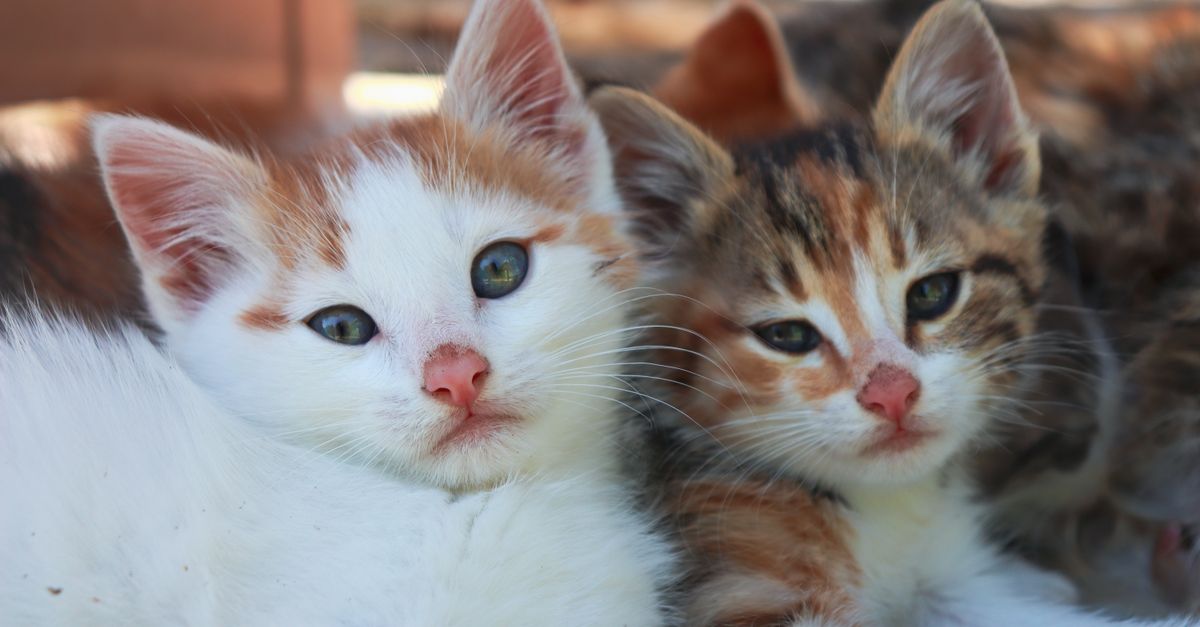
A cat resting comfortably at home.
What is the best treatment for Feline Infectious Peritonitis (FIP) in cats in the UK?
The best treatment for Feline Infectious Peritonitis (FIP) is a direct-acting antiviral taken as a full, properly dosed course under veterinary supervision. In the UK, the two antivirals Pawrents most often ask about are GS-441524 (an injectable nucleoside analogue) and EIDD-1931 (the active antiviral metabolite of molnupiravir, sold as FipX capsules).
Many treatment plans start with GS-441524 injections and then move to EIDD-1931 oral capsules, which lets a cat finish the course at home without daily jabs. Your veterinarian should guide which route fits your cat's form of FIP, weight and response.
There is no single "one size fits all" answer. What matters most is starting antiviral therapy early, dosing correctly for your cat's weight and condition, and completing the full course.
What causes Feline Infectious Peritonitis (FIP) and what are its four forms?
Feline Infectious Peritonitis (FIP) is caused by a mutated form of the common feline coronavirus (FCoV). Most cats carry the harmless coronavirus with no trouble, but in some cats it mutates and triggers FIP.
FIP has four distinct forms, and recognising them helps you and your vet plan treatment:
- Wet (effusive) FIP: fluid builds up in the abdomen or chest, causing a swollen belly or breathing trouble.
- Dry (non-effusive) FIP: no large fluid build-up, but inflammation affects internal organs, often with weight loss and fever.
- Ocular FIP: signs appear in the eyes, such as a change in iris colour, cloudiness, inflammation inside the eye (uveitis) and vision loss from ocular lesions.
- Neurological FIP: signs affect the nervous system, such as seizures, head tilt, loss of balance, paralysis and disorientation.
Ocular and neurological FIP are separate forms, not sub-types of dry FIP. A change in eye colour is an ocular sign, never a neurological one. Knowing the form matters because ocular and neurological cases often need a treatment plan that starts with injections before moving to capsules.
How do GS-441524 and EIDD-1931 treat Feline Infectious Peritonitis (FIP)?
GS-441524 and EIDD-1931 both treat Feline Infectious Peritonitis (FIP) by interfering with how the virus copies itself, which lowers the viral load and gives the cat's body room to recover. They act against the virus at the source rather than simply masking symptoms.
EIDD-1931 is the active antiviral metabolite of molnupiravir, not the human capsule and not a prodrug. In MolnuFIP's FIP line it is the ingredient in FipX, supplied as 15 mg capsules.
GS-441524 is a separate compound given by injection. A common UK approach is to start with 2 to 4 weeks of GS-441524 injections and then continue with EIDD-1931 oral capsules, including in ocular and neurological cases. This is widely used in practice and keeps the most intensive phase under close veterinary care.
Laboratory work gives a sense of how these compounds behave in a dish. In laboratory (cell-culture) studies against serotype II FIPV, EIDD-1931 had an EC50 of 0.11 uM compared with 0.61 uM for GS-441524 (Cook et al. 2022). Against serotype I, the order was reversed, so these are in-vitro findings only and not a measure of how a cat will respond in the clinic.
Which FIP treatment route is right for my cat?
The right Feline Infectious Peritonitis (FIP) route depends on the form of the disease, your cat's weight, and whether your cat is eating and defecating normally. The table below sets out the main MolnuFIP FIP options and when each tends to fit.
| Treatment option | Ingredient | Often used for | Notes |
| GS-441524 injectables | GS-441524 | The starting phase, especially ocular and neurological FIP | Given by injection; commonly used for the first 2 to 4 weeks |
| FipX capsules | EIDD-1931 | Wet, dry, mixed/transitional FIP; continuing after the injection phase | 15 mg capsules, 60 per bottle; taken at home |
| Dual capsule | Per catalog | Plans that combine both approaches in one capsule | Dosed as one pill per weight class |
FipX is not intended as the starting or sole treatment for ocular or neurological FIP without the injection phase, because common practice begins those cases with injections. It is also not for cats who are not eating or defecating normally, or for pregnant, nursing or breeding cats, because EIDD-1931 is not for use in those cats. Your veterinarian should confirm the plan.
What is the FipX dose for Feline Infectious Peritonitis (FIP)?
The FipX dose for Feline Infectious Peritonitis (FIP) is 1 capsule (15 mg) per 2.5 kg (5.5 lb) of body weight, given every 12 hours, with the capsule count set by your cat's weight band. FipX is supplied as 15 mg capsules in a bottle of 60.
| Body weight | Capsules per dose (every 12 hours) |
| Under 2.5 kg (under 5.5 lb) | 1 capsule |
| 2.5 to 5 kg (5.5 to 11 lb) | 2 capsules |
| Over 5 kg (over 11 lb) | 3 capsules |
Correct dosing for your cat's weight and condition is the single most important factor in a smooth course. Chronic under-dosing simply drags treatment out, so weigh your cat regularly and adjust with your veterinarian as your cat gains weight during recovery.
How long does Feline Infectious Peritonitis (FIP) treatment take?
A standard Feline Infectious Peritonitis (FIP) course with FipX runs for 60 days, and chronic or severe cases may run up to 90 days or longer depending on how the cat responds. An 84-day course, for example, sits comfortably within this range.
Here is a simple way to think about the journey:
- Diagnosis and start: your vet confirms FIP and starts antiviral therapy, often with GS-441524 injections for the first 2 to 4 weeks.
- Transition to capsules: many cats move to EIDD-1931 oral capsules (FipX) to finish the course at home.
- Monitoring: your vet tracks weight, appetite, bloodwork and symptoms throughout.
- Completing the course: the full course is finished even when your cat looks well, to help protect remission.
Stopping early is one of the most common mistakes. Let your veterinarian decide when the course is truly complete.
What does the evidence show about FIP treatment outcomes?
The evidence on Feline Infectious Peritonitis (FIP) is genuinely encouraging. Injectable GS-441524 has been reported with a 92% success rate, which is why antiviral therapy has transformed outcomes for a disease once thought untreatable. That figure belongs to injectable GS-441524 and is not a FipX figure.
Across the wider network, more than 140,000 cats have been treated, saved or helped since 2019, a count that includes cats treated with GS-441524. These numbers are statistics, not promises, and every cat responds differently. Many Pawrents report meaningful improvement, often within the first weeks, but recovery depends on early diagnosis, the form of FIP and correct dosing.
For a clearer picture of what a course involves financially, our guide on how much FIP treatment costs for a cat in the UK walks through the main factors. If you want to see how the clinical reasoning is weighed elsewhere, our overview of the best FIP treatment and what the evidence shows covers the same antivirals in detail, and the companion piece on FIP treatment costs in Australia is useful if you are comparing across markets.
What should you avoid during Feline Infectious Peritonitis (FIP) treatment?
During Feline Infectious Peritonitis (FIP) treatment, there are a few things to avoid so they do not work against the antiviral. Your veterinarian should always confirm what is right for your individual cat.
- Fluoroquinolone antibiotics, which are best avoided during FIP treatment.
- Spot-on (topical) flea medications during the treatment period.
- Lysine and immune boosters, which are not recommended alongside FIP antiviral therapy.
Supportive care still matters. Good nutrition, hydration, a calm environment and regular vet check-ins all help your cat through the course. If a secondary bacterial infection appears, your veterinarian may add a suitable antibiotic separately.
FAQ
What is the best treatment for Feline Infectious Peritonitis (FIP) in the UK?
The best treatment for Feline Infectious Peritonitis (FIP) in the UK is direct-acting antiviral therapy, typically GS-441524 injections, EIDD-1931 capsules (FipX), or a combination, given as a full course under veterinary supervision. Starting early and dosing correctly for your cat's weight and condition gives the best chance of a strong recovery.
Does FipX for Feline Infectious Peritonitis (FIP) contain molnupiravir?
FipX for Feline Infectious Peritonitis (FIP) contains EIDD-1931, the active antiviral metabolite of molnupiravir, supplied as 15 mg capsules. It is not the human molnupiravir capsule and does not contain GS-441524.
How long is a FIP treatment course with FipX?
A standard Feline Infectious Peritonitis (FIP) course with FipX is 60 days, and chronic or severe cases may run up to 90 days or longer depending on response. Finish the full course even when your cat looks well, and let your veterinarian confirm when it is complete.
Can ocular or neurological FIP be treated?
Yes, both ocular and neurological Feline Infectious Peritonitis (FIP) can be treated, and they are two separate forms of the disease. These cases commonly start with GS-441524 injections for 2 to 4 weeks before continuing with EIDD-1931 capsules, so FipX is not used as the sole starting treatment for them without the injection phase.
Is there a guarantee my cat will recover from FIP?
There are no guarantees in medicine, and reported success rates are statistics rather than promises, because every cat responds differently. The only guarantee MolnuFIP offers is practical: you can cancel any time before your order ships for a full refund.
If your cat has just been diagnosed, take a breath. You have real, evidence-led options today, and the earlier you act, the better the odds. To explore the available treatments and talk through the right plan for your cat, learn more about MolnuFIP's FIP treatment options and share the details with your own veterinarian, who should guide dosing and monitoring throughout.


