
FIP · FipX
Effective FIP treatment at affordable price
- Recovery in 4 to 8 Weeks
- Easy oral treatment
We provide a step-by-step guide, supporting you through your cat's entire FIP, FCV and FHV treatment.
Our treatments
FIP, FCV and FHV-1 are different viruses. Each needs its own molecule.
How it works
Tell us about your cat. Our treatment support team helps you pick the right treatment.
Chat with usWe ship from local warehouses in the countries we serve.
See the treatmentsOral treatment, twice daily, 12 hours apart. No injections.
Read the guidelinesShop
Bundle discounts on 2-month and full courses.
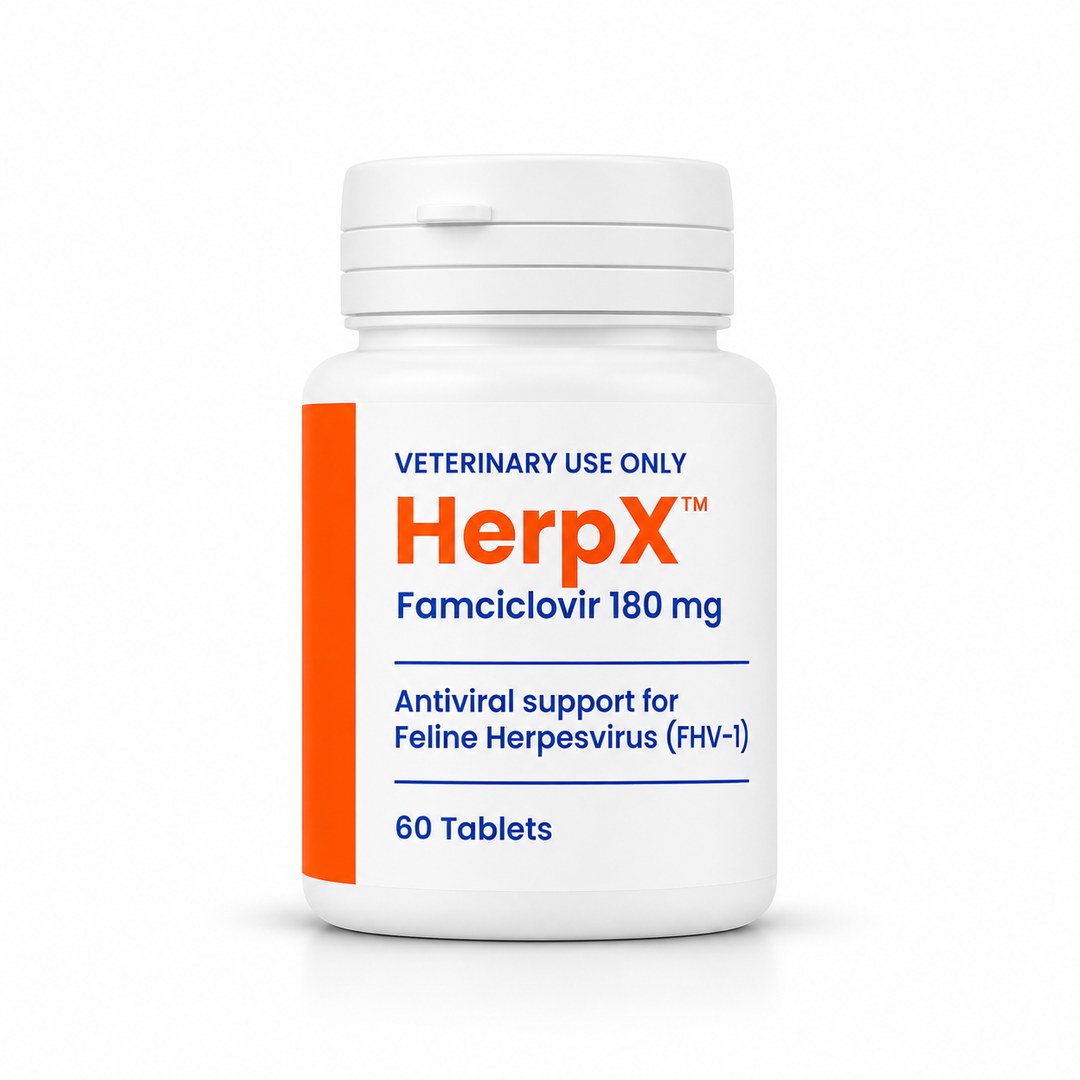
Antiviral Therapy for Feline Herpesvirus (FHV-1)
Excluding Sales Tax
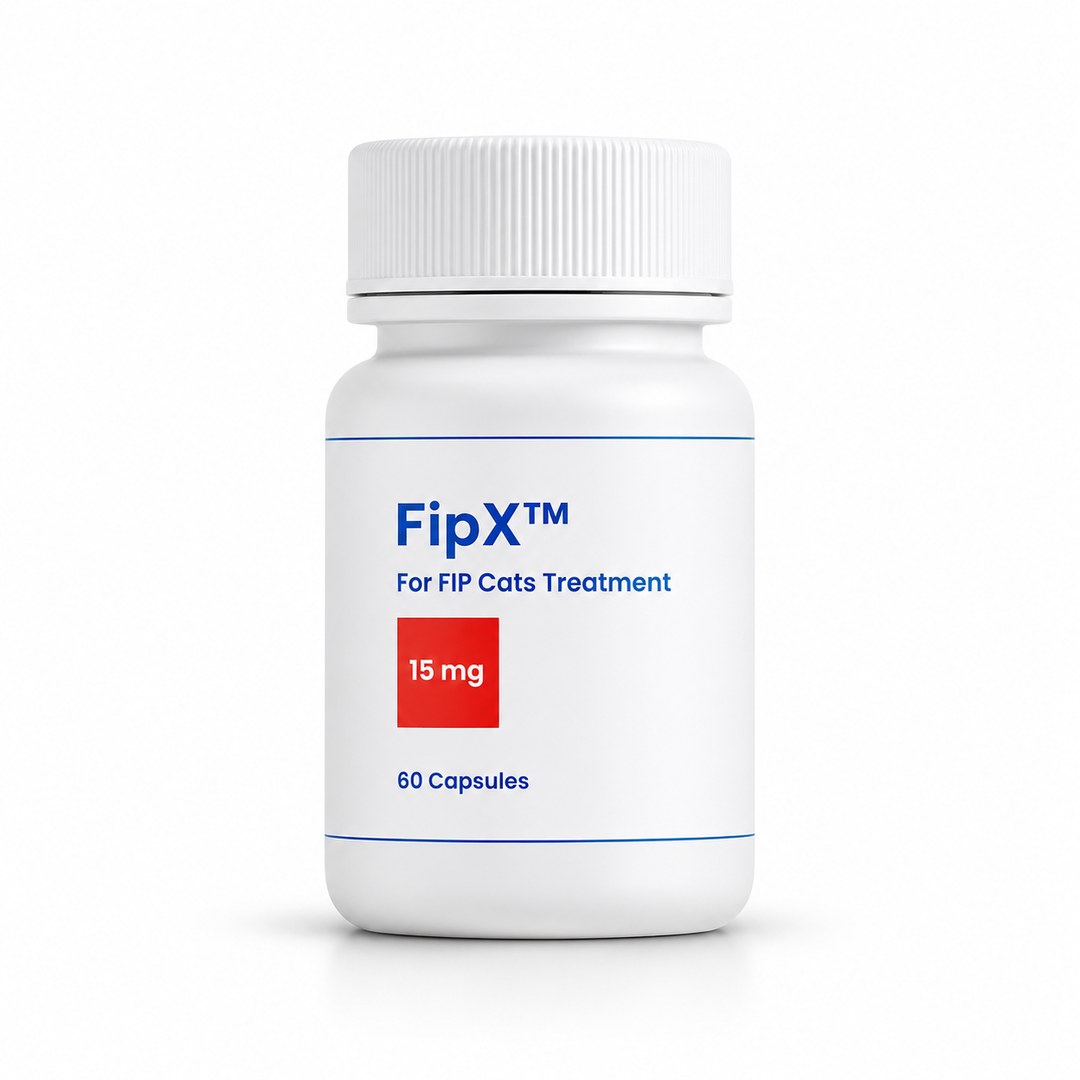
Advanced Antiviral Therapy for Feline Infectious Peritonitis (FIP)
Excluding Sales Tax
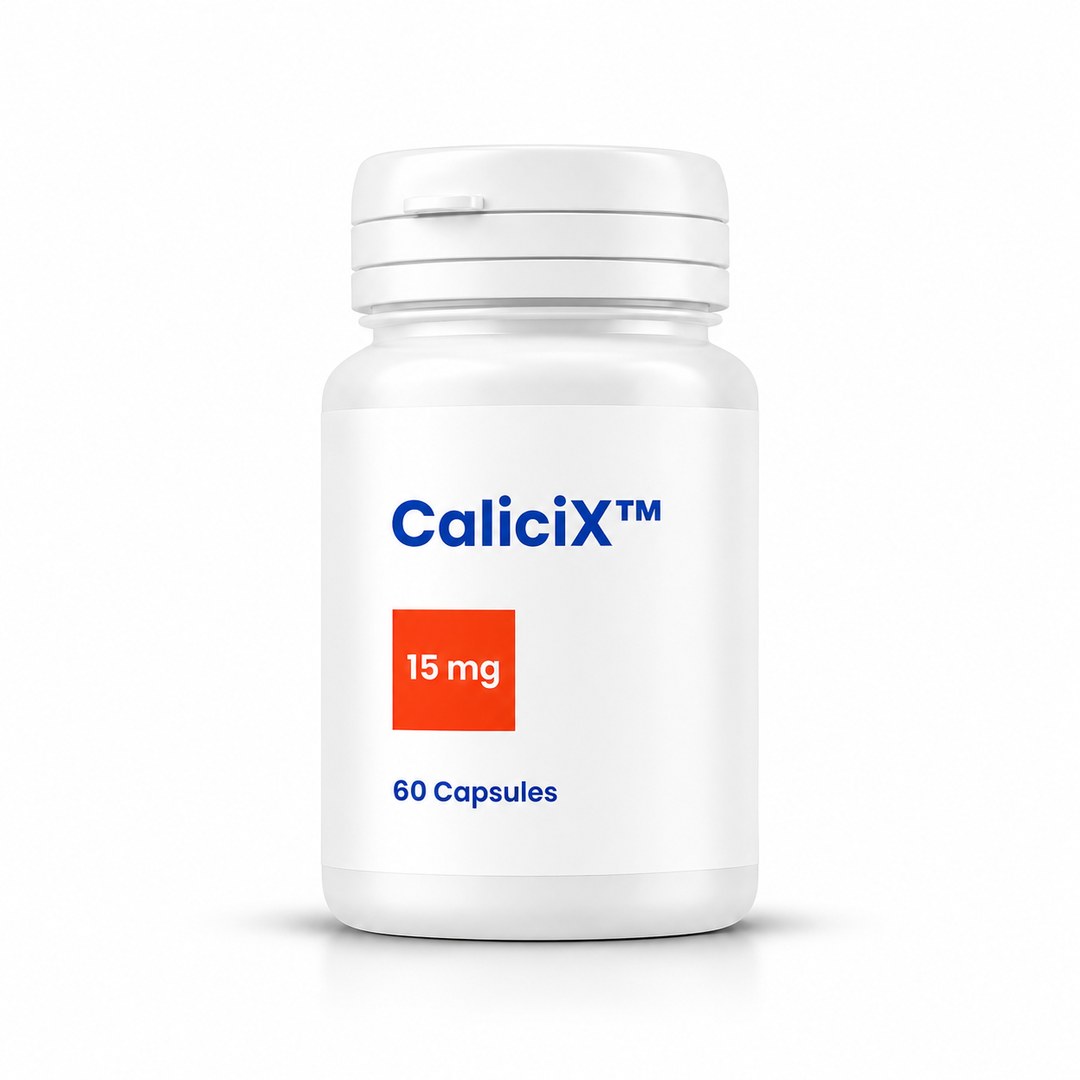
Antiviral Therapy for Feline Calicivirus Stomatitis
Excluding Sales Tax
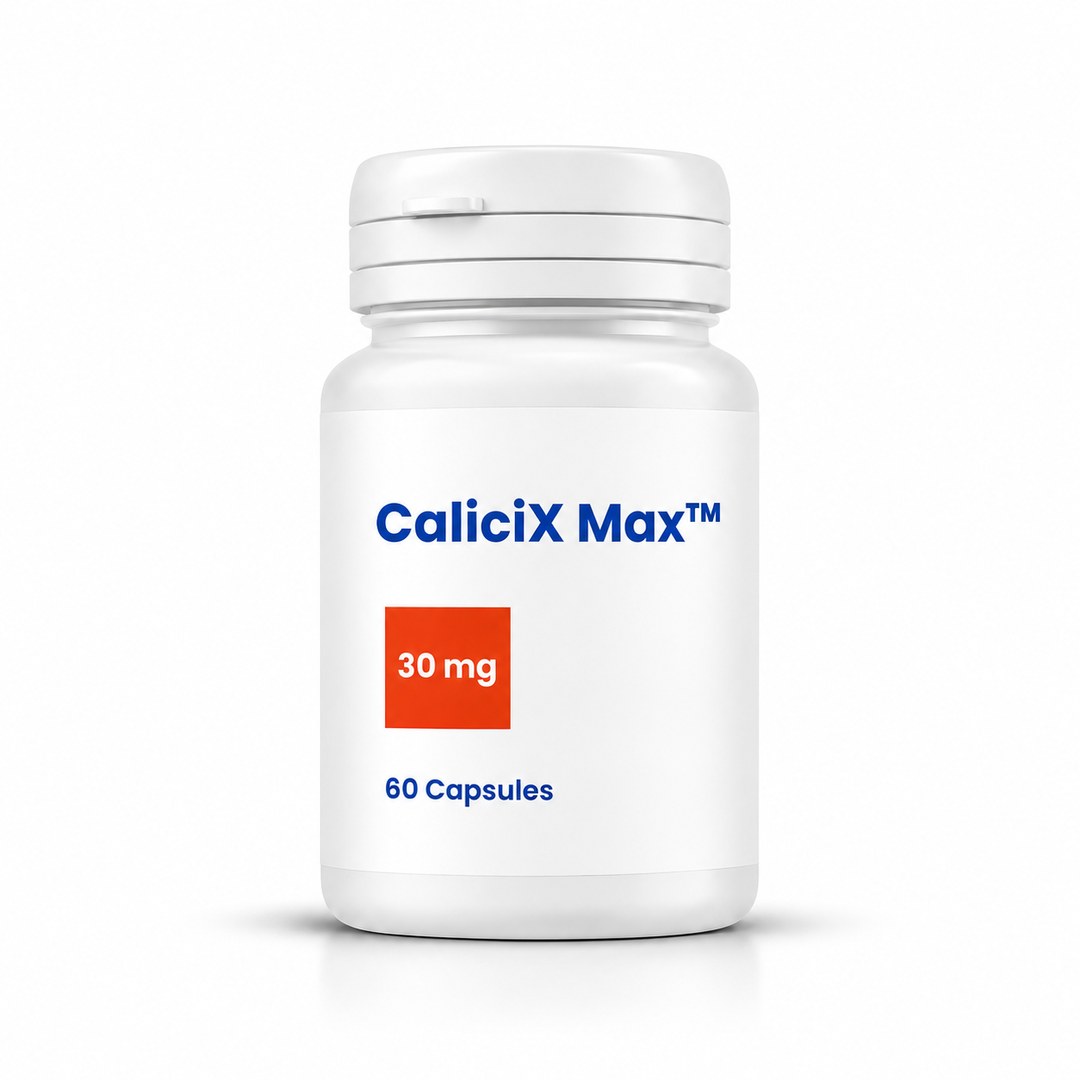
High-Potency EIDD-1931 for Severe Feline Calicivirus Disease
Excluding Sales Tax

Our treatments are developed based on findings from internationally peer-reviewed research.

Our treatment support team is technically trained to assist with treatment-related questions.

We operate local warehouses in the countries we serve, ensuring reliable and timely delivery for every order.

Our treatments are provided in soft gel capsules and are easy to administer at home, taken twice daily (12 hours apart).

Before you start FipX
EIDD-1931 is not suitable for all FIP conditions. Start FIP treatment with GS-441524 injections first if your cat has:
FAQs
HerpX is an oral antiviral tablet (famciclovir 180 mg) for cats with Feline Herpesvirus (FHV-1). It is used under veterinary guidance to support cats through ocular and upper respiratory flares, including conjunctivitis and corneal disease, by reducing viral replication and shedding so flares settle faster.
They treat different viruses with different molecules. CaliciX and MolnuFIP use EIDD-1931 for Feline Calicivirus (FCV) and FIP. HerpX uses famciclovir, the antiviral most established for Feline Herpesvirus (FHV-1). If your cat's problem is the eyes and upper respiratory tract rather than oral disease, HerpX is the relevant product.
No. Feline Herpesvirus (FHV-1) stays latent in the body for life, so no treatment removes it. HerpX is used to control active flares and protect the eyes, helping signs resolve more quickly. Most cats live normal, comfortable lives with good flare management.
The eyes are the hallmark of Feline Herpesvirus (FHV-1), and active ocular flares are exactly where prompt antiviral support matters most. HerpX reaches therapeutic levels in tears and is used for ocular flares, often alongside topical eye treatment chosen by your veterinarian. A squinting, cloudy, or ulcerated eye should be seen urgently.
Famciclovir is regarded as systemically well tolerated in cats when dosed correctly. This is an important distinction from acyclovir and valacyclovir, human antivirals that are toxic to cats and must never be used in their place. HerpX is made for feline use under veterinary supervision.
No. HerpX is a direct-acting antiviral. Antibiotics act only on secondary bacterial infections, not on the virus itself, and are used separately only when your veterinarian indicates them.
CaliciX Max is a high-strength systemic antiviral capsule formulated for cats suffering from severe, refractory, or high-viral-load feline calicivirus (FCV) disease, where standard-dose therapy may be insufficient.
CaliciX Max delivers 30 mg of EIDD-1931 per capsule, enabling veterinarians to achieve higher systemic antiviral suppression with fewer capsules compared to CaliciX.
It is intended for step-up therapy in advanced, severe, or poorly responsive feline calicivirus (FCV) cases.
CaliciX Max may be considered under veterinary supervision when a cat has:
Severe oral or oropharyngeal disease
Refractory FCGS or post-extraction stomatitis
High systemic viral burden
Poor response to 2-4mg/kg dosing
Larger body weight requiring higher per-dose exposure
CaliciX Max is formulated to support cats with severe FCV-associated disease, including:
Severe feline chronic gingivostomatitis (FCGS)
Caudal stomatitis with extensive inflammation
Deep lingual ulceration (viral glossitis)
Multifocal oral ulceration
Virulent systemic feline calicivirus (VS-FCV)
Yes, CaliciX Max is designed for veterinarian-directed use in such severe presentations, alongside intensive supportive care.
No. CaliciX Max is not an antibiotic. It is a direct-acting antiviral designed to suppress FCV viral replication. Antibiotics may still be used separately to manage secondary bacterial infections when indicated.
EIDD-1931 interferes with viral RNA replication by inducing lethal mutagenesis in RNA viruses. This mechanism:
Does not rely on viral proteases
Has a high genetic barrier to resistance
Works independently of host immune status
CaliciX Max may be used as part of an extended management plan in cats with chronic or refractory feline calicivirus (FCV) where ongoing antiviral control is clinically indicated.
Treatment duration, dose adjustments, and monitoring should always be determined by a licensed veterinarian based on the individual patient’s response and overall health status.
No. CaliciX Max is intended to be part of a comprehensive veterinary treatment plan, which may include dental procedures, pain control, nutritional support, and other therapies as needed.
No. CaliciX Max is not the same as human molnupiravir.
It contains EIDD-1931, the active antiviral metabolite of molnupiravir, the form that directly exerts antiviral activity. Published research indicates that EIDD-1931 demonstrates significantly higher antiviral potency than molnupiravir, which is a prodrug requiring metabolic conversion.
CaliciX Max is formulated specifically for veterinary use in cats, with dosing, capsule size, and clinical intent designed for feline patients rather than humans.
It may not be suitable for:
Pregnant or breeding cats
Cats with significant hepatic or renal disease
CaliciX Max is intended for veterinary-supervised use only.
The 30 mg strength allows veterinarians to:
Achieve higher antiviral exposure
Reduce capsule burden in large or severe cases
Improve dosing accuracy and compliance
This makes it suitable for advanced or high-risk FCV disease.
Yes. CaliciX Max is intended for off-label veterinary use under professional supervision, with informed owner consent.
CaliciX is an oral antiviral therapy designed to suppress feline calicivirus (FCV) and help reduce viral burden in affected cats.
It is commonly used in FCV-associated conditions such as chronic oral inflammation, stomatitis, and ulcerative lesions, where ongoing viral replication contributes to persistent pain, tissue damage, and poor treatment response.
CaliciX contains EIDD-1931, a targeted antiviral compound that inhibits viral replication at its source.
Rather than merely managing surface symptoms, CaliciX is designed to address the underlying viral driver of calicivirus-associated oral disease, supporting more durable clinical improvement.
CaliciX is commonly considered for mild to moderate feline calicivirus (FCV)–associated disease, particularly in cases of persistent or recurrent oral involvement.
Final treatment decisions should always be made by a licensed veterinarian, based on the cat’s clinical presentation and overall health status.
Yes. Under veterinary guidance, CaliciX may be used to support cats diagnosed with feline chronic gingivostomatitis (FCGS) and other calicivirus-associated oral inflammatory conditions, where viral activity is believed to contribute to ongoing disease and treatment resistance.
No. CaliciX is intended to be part of a veterinarian-guided treatment plan and does not replace dental care, pain management, or other supportive therapies when required.
No. CaliciX is not an antibiotic. Antibiotics do not treat viral infections like calicivirus, although they may be prescribed separately by veterinarians to manage secondary bacterial infections.
CaliciX is administered orally, providing a simple, non-invasive, and pain-free approach to managing feline calicivirus (FCV)–associated disease.
Yes. Use in kittens should be carefully evaluated by a licensed veterinarian, with consideration given to the kitten’s age, body weight, and overall health status before initiation of therapy.
No. CaliciX does not contain molnupiravir (EIDD-2801).
It contains EIDD-1931, the active antiviral form related to molnupiravir, and is formulated specifically for veterinary use in cats, with feline-appropriate dosing and clinical intent.
CaliciX may be considered when a cat shows:
Persistent mouth ulcers
Chronic oral inflammation
Recurrent calicivirus symptoms
Poor response to supportive care alone
Yes. Cats with chronic or recurrent feline calicivirus (FCV)–associated disease may benefit from longer-term management strategies.
Treatment duration should always be determined by a licensed veterinarian, based on the cat’s clinical response and ongoing assessment.
Yes. CaliciX is intended for veterinary-guided use only. Treatment decisions should always involve a licensed veterinarian.
EIDD-1931, is a mutagenic antiviral drug created by Emory Institute of Drug Development. It is related to Molnupiravir that are use to treat Covid 19 in humands and FIP in cats. EIDD-1931 garnered public attention in early 2023 following a series of independent clinical studies conducted by researchers and real world treatments conducted by veterinarians worldwide. These studies and treatments demonstrated EIDD-1931's effectiveness against feline infectious peritonitis (FIP).
Feline infectious peritonitis (FIP) is a fast-progressing and devastating disease. Many cats can become critically ill within weeks if treatment is delayed, and without medical intervention, FIP has long been considered fatal. In the United States, treatment options such as GS-441524 can be extremely costly, often placing a heavy financial burden on families in addition to veterinary care.
MolnuFIP's EIDD-1931 offers a more accessible treatment option for cats diagnosed with FIP. It targets the virus responsible for the disease and has helped many cats show visible improvement within the first one to two weeks of treatment. When used under veterinary guidance, molnupiravir has demonstrated a favorable safety profile and has been associated with strong, lasting recoveries, giving cat owners renewed hope during an incredibly difficult time.
https://www.ncbi.nlm.nih.gov/pmc/articles/PMC7114919/#:~:text=FIP%20is%20a%20fatal%20immune,found%20in%20cats%20%5B4%5D.
Yes. EIDD-1931 has been extensively studied in feline viral diseases, including feline infectious peritonitis (FIP) and feline calicivirus (FCV), across multiple university-led and independent research settings.
Published data indicate that EIDD-1931 demonstrates significantly higher antiviral activity, approximately 4 to 10 times greater, than its prodrug molnupiravir (EIDD-2801). In these studies, cats treated for FIP showed rapid clinical improvement, often within the first week of therapy, while FCV-related disease demonstrated consistent and meaningful viral load suppression, correlating with clinical recovery.
Reference: https://www.ncbi.nlm.nih.gov/pmc/articles/PMC9227765/
According to the clinical study published on the National Institutes of Health (USA), 46.2% of cats exhibit clinical signs of improvement within the first week, 84.6% within two weeks, and 92% by the third week. This is a good representation of real world treatment results. Link: https://www.ncbi.nlm.nih.gov/pmc/articles/PMC9612227/
Yes, MolnuFIP (EIDD-1931) is conveniently provided in easy-to-use soft gel capsules. The capsules can be given orally or opened and mixed with your cat’s food, making at-home treatment simple and stress-free.
MolnuFIP (EIDD-1931) is suitable for many cats undergoing FIP treatment. In some situations, such as when a cat is experiencing digestive difficulties or neurological symptoms, veterinarians may advise starting with GS-441524 injections to help stabilize the condition more quickly.
GS-441524 is available through trusted providers like CUREFIP.COM (global) and BASMIFIP.COM (Southeast Asia). Once your cat shows signs of improvement, many owners find it convenient to transition to EIDD-1931 for ongoing care and simpler at-home administration, always with veterinary guidance.
EIDD-1931 treatment is typically used for up to 60 days. Many cats begin with an initial 30-day course, which is often sufficient to achieve significant FIP viral load reduction and overall improvement. If symptoms have not fully resolved, treatment may be continued for an additional 30 days.
If symptoms persist beyond 60 days, it is important to consult your veterinarian. In some cases, your vet may recommend adjusting the treatment approach or transitioning to GS-441524 injectable to support continued recovery.
Administer one capsule every 12 hours for every 2.5 kg of your cat's body weight. Capsules can be given on an empty stomach or with food. If your cat vomits within 30 minutes, give another dose.
Pharmaceutical drug EIDD-2801, commercially known as Molnupiravir is a prodrug commonly used to treat COVID-19 in humans. Upon ingestion by humans or animals, EIDD-2801 is converted by the body into its active form, EIDD-1931.
Research in the USA and China found that EIDD-1931 showed about 4.4 times higher antiviral potency than EIDD-2801 in laboratory tests, and it does not need to be converted by the body. In vitro tests also showed 33% lower cytotoxicity. Cytotoxicity can lead to unwanted side effects, which is why many veterinarians consider EIDD-1931 a good option for FIP treatment.
Yes, it is the most cost effective treatment against FIP available today. A 30 days treatment course starts from $39, which is approximately 10x cheaper than alternative FIP treatments GS-441524.
EIDD-1931 treatment is not suitable for all FIP infections. Cats exhibiting ocular or neurological symptoms, are in critical conditions, lacking appetite, or have pre-existing liver and kidney conditions should start with 2-4 weeks of GS-441524 injections, or until these conditions are resolved before using EIDD-1931. To purchase GS-441524 visit: https://www.curefip.com
Molnupiravir EIDD-1931 is not recommended for:
cats with neurological or ocular FIP symptoms.
cats with digestive problems.
cats in critical conditions.
cats with preexisting liver or kidney conditions.
when treatments exceed 60 days.